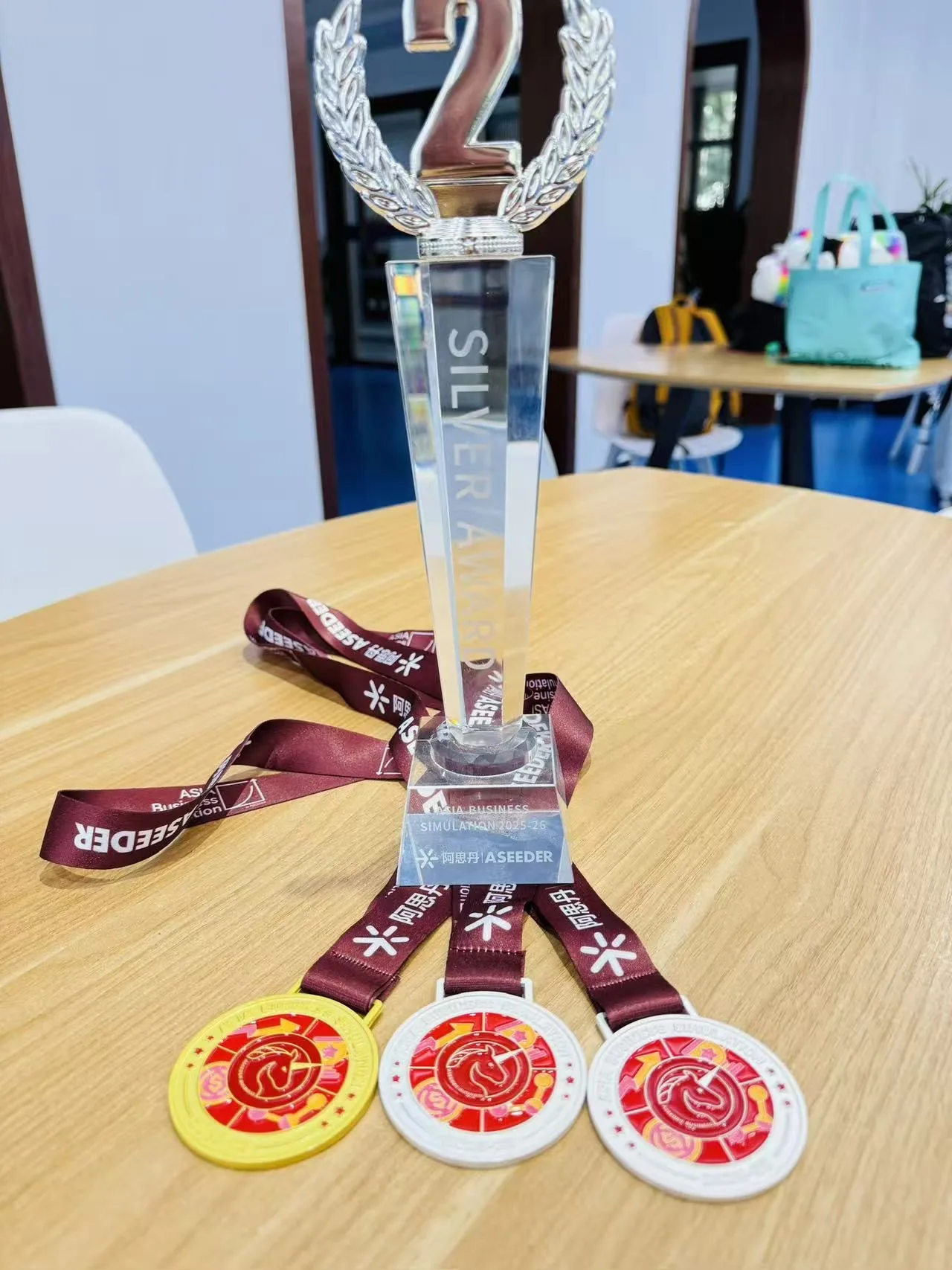
World Scholar's Cup — Yale Global Rounds Qualifier
My first BP round, I froze during prep — blank page, timer running. Three years later, fifteen minutes is all I need. British Parliamentary debate: four teams of two, 7-minute speeches, no motion knowledge until 15 minutes before.
You get the motion, your brain splits three ways — strongest argument, opponent pre-empt, framing for the judge. Hold all three threads or lose.
"Debate didn't teach me to talk. It taught me to listen — really listen — for the gap between what someone claims and what they've actually proven."
The core skill is structural reasoning under time pressure — building a three-part argument while anticipating rebuttals you haven't heard. Then your partner opens a case you didn't plan, and you extend it live.
First year, I couldn't fill seven minutes. Now I run out of time. Five years reshaped how I think:
Started as the kid who couldn't structure an argument. CISDAC taught me to compete at the top. The World Scholar's Cup showed me the global stage. Yale became the goal.

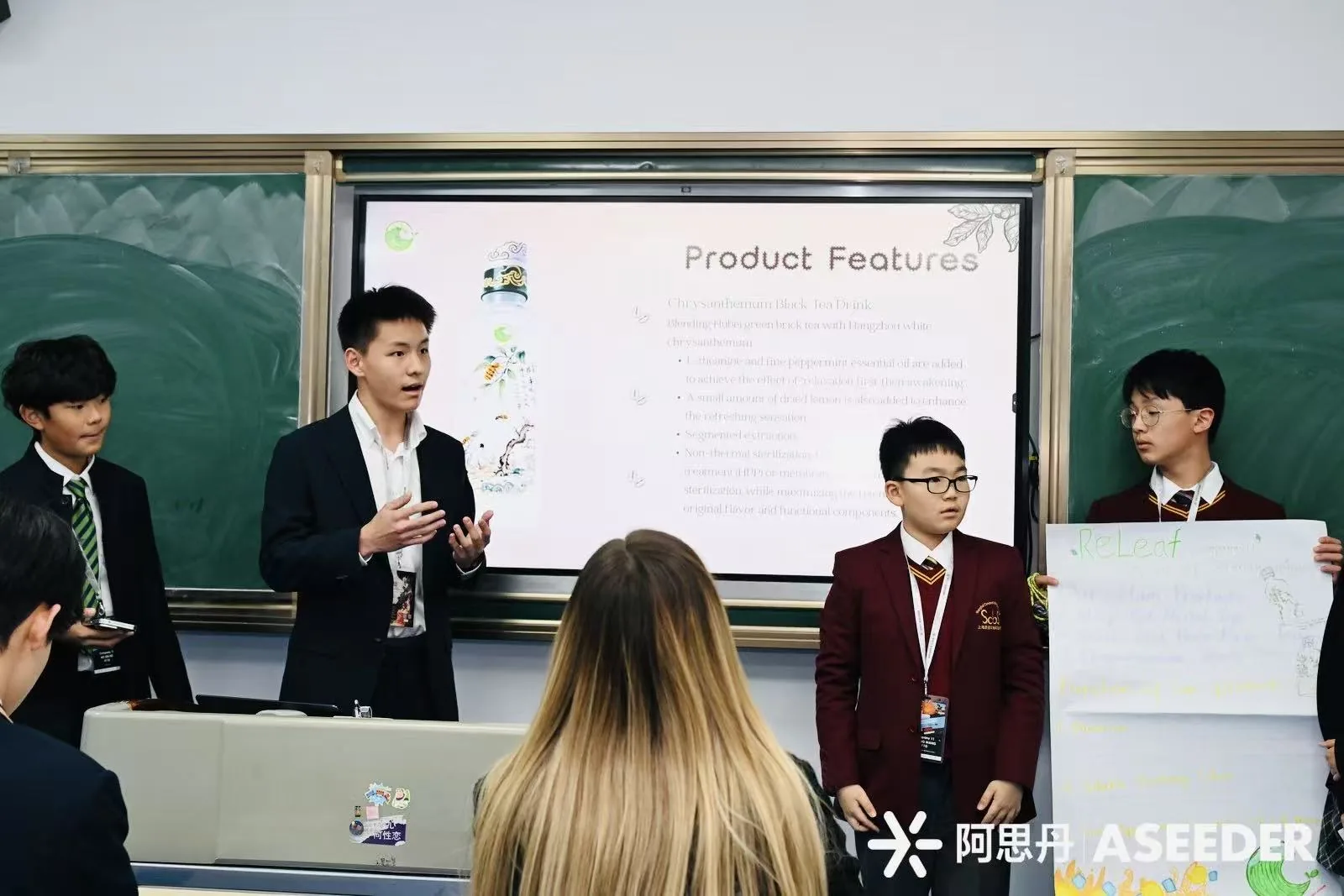
Pick a motion, choose your bench, and draft your HOLA in under 15 minutes. British Parliamentary prep — the way it actually runs in competition.
Robotics, rowing, and debate look like separate things — they're not. The framework behind a BP case is the same one I use to design an autonomous routine or plan a race strategy. Debate didn't just make me a better speaker. It rewired how I think about every problem.
Structural argument under time pressure transfers directly to code. Six years, Finalist Alliance Captain at the World Championship Premier Event, two judged awards.
Debate rewards acknowledging the strongest counter before you dismantle it. Rowing rewards trusting the system you built. Same discipline.
The structural thinking debate builds — applied to software, research, and what it means to actually understand something.