
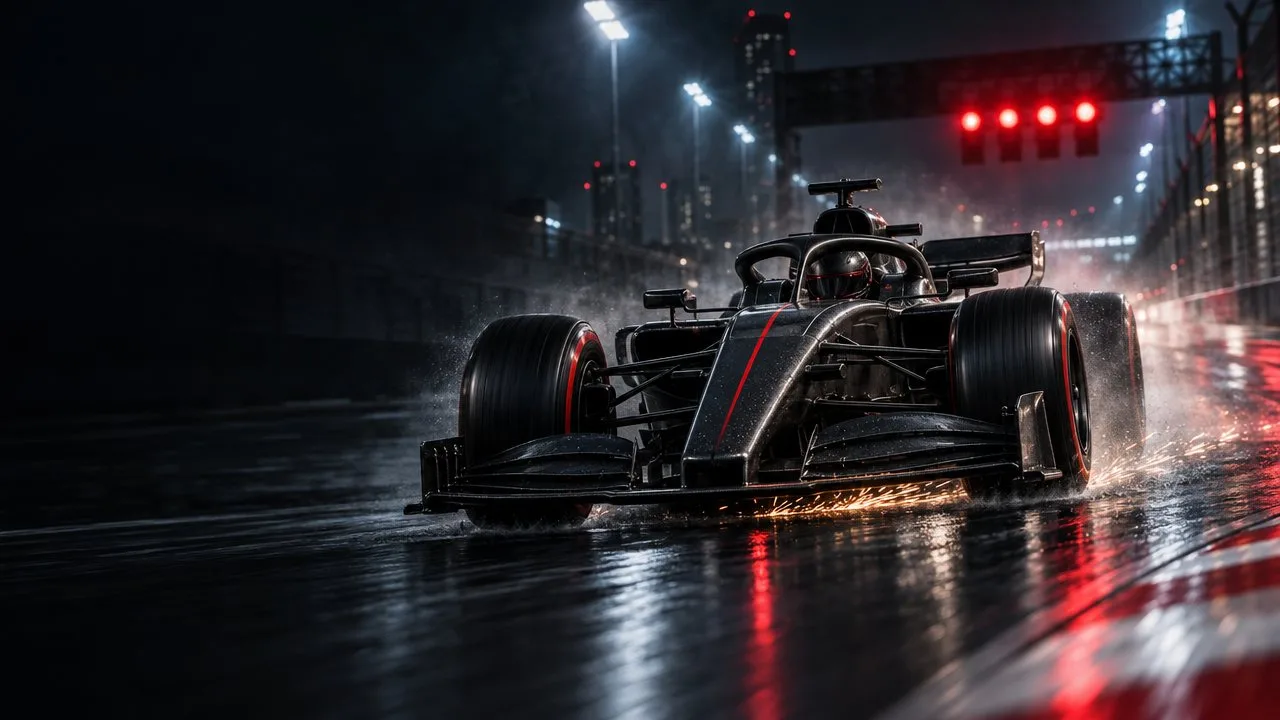
A full open-wheel racing game that runs in your browser: 2026-regulation cars, 26 circuits, 240 Hz physics, AI rivals, careers and multiplayer, with nothing to install.
TypeScriptthree.js (WebGPU)ViteWeb AudioWeb Workers
FTC World Championship finalist. World #6 in U19 relay. Shanghai Dream Regatta 2026: Gold & Bronze. Nanjing 2026: Gold & Silver. CISDAC Team Champion. U14 Best Speaker, Shanghai IT 2026. Self-taught builder who ships things for real users.
I'm George Hu (胡敬知), a Grade 9 student at Shanghai Pinghe Bilingual School. I build autonomous robots, train with the New Rowing Club and Pinghe School crews at 5:30 AM, and argue British Parliamentary debate in front of judges who know the topic better than I do. Between those, I write software that real people use.
The honest lesson across all three: the gap between thinking you understand something and actually understanding it is enormous, and the only way across is to be wrong, repeatedly, in public. That gap is where I do my best learning.
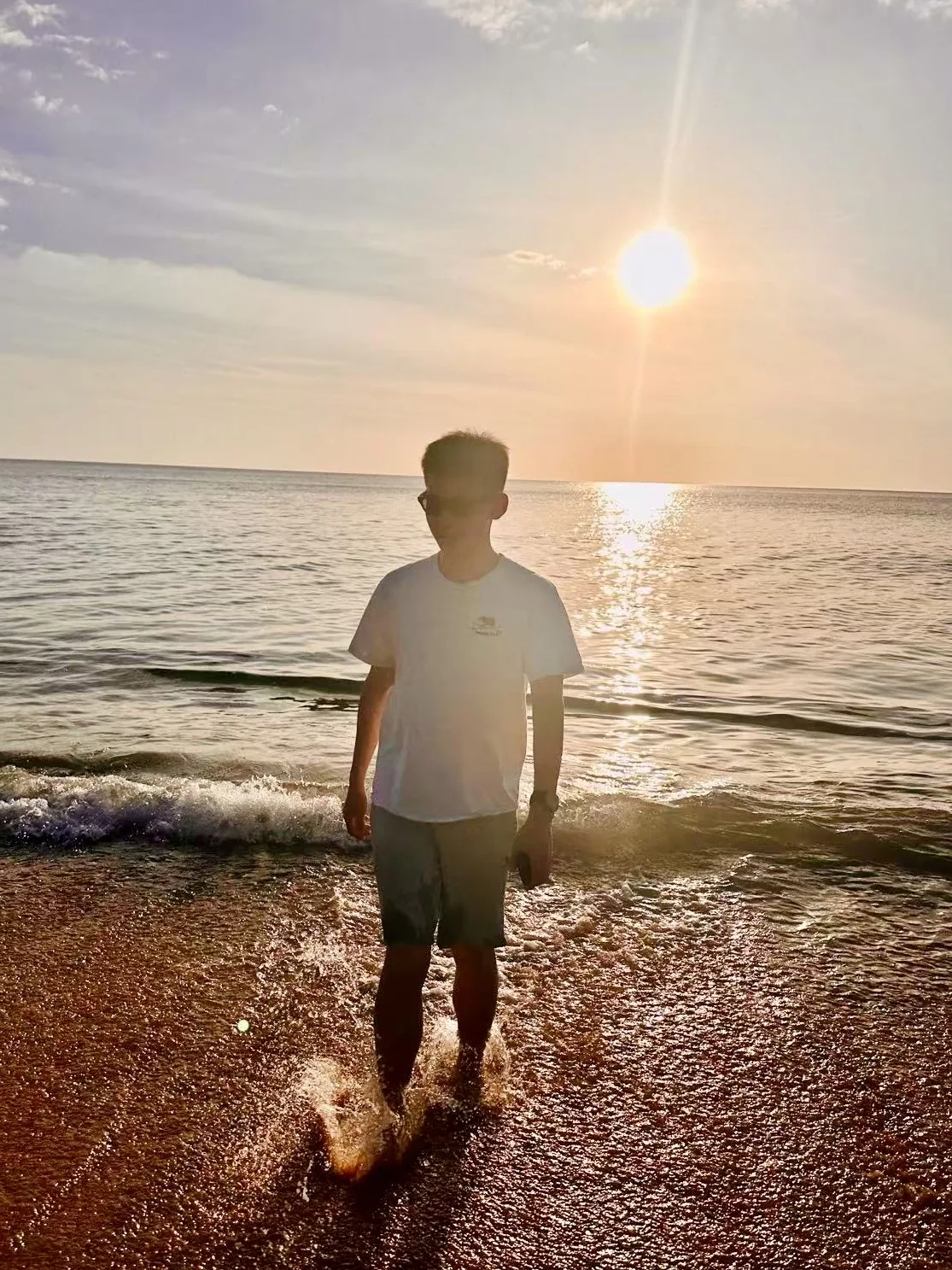
Three commitments, one habit: show up, do the hard part first, and don't stop until the thing actually works.
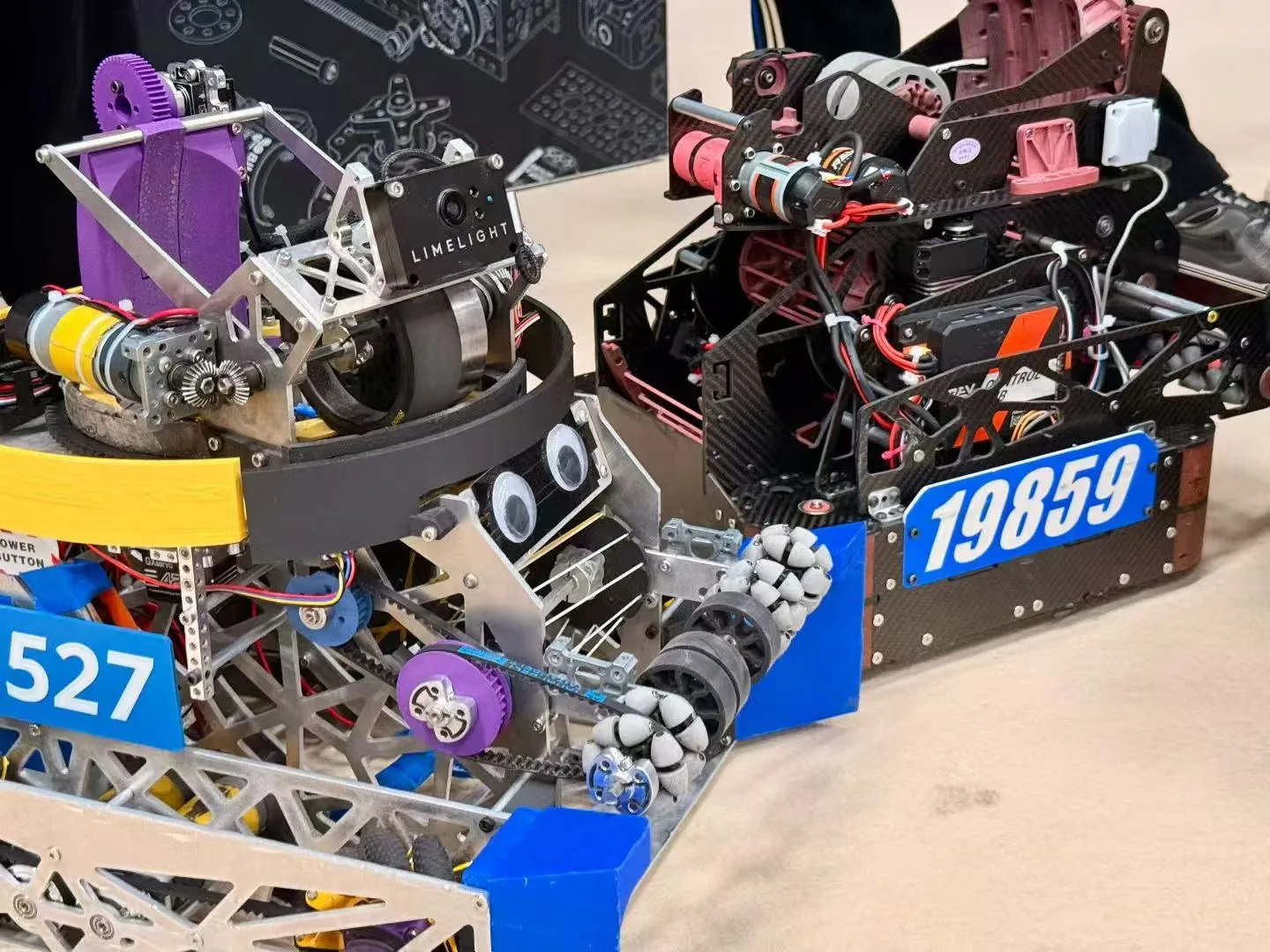
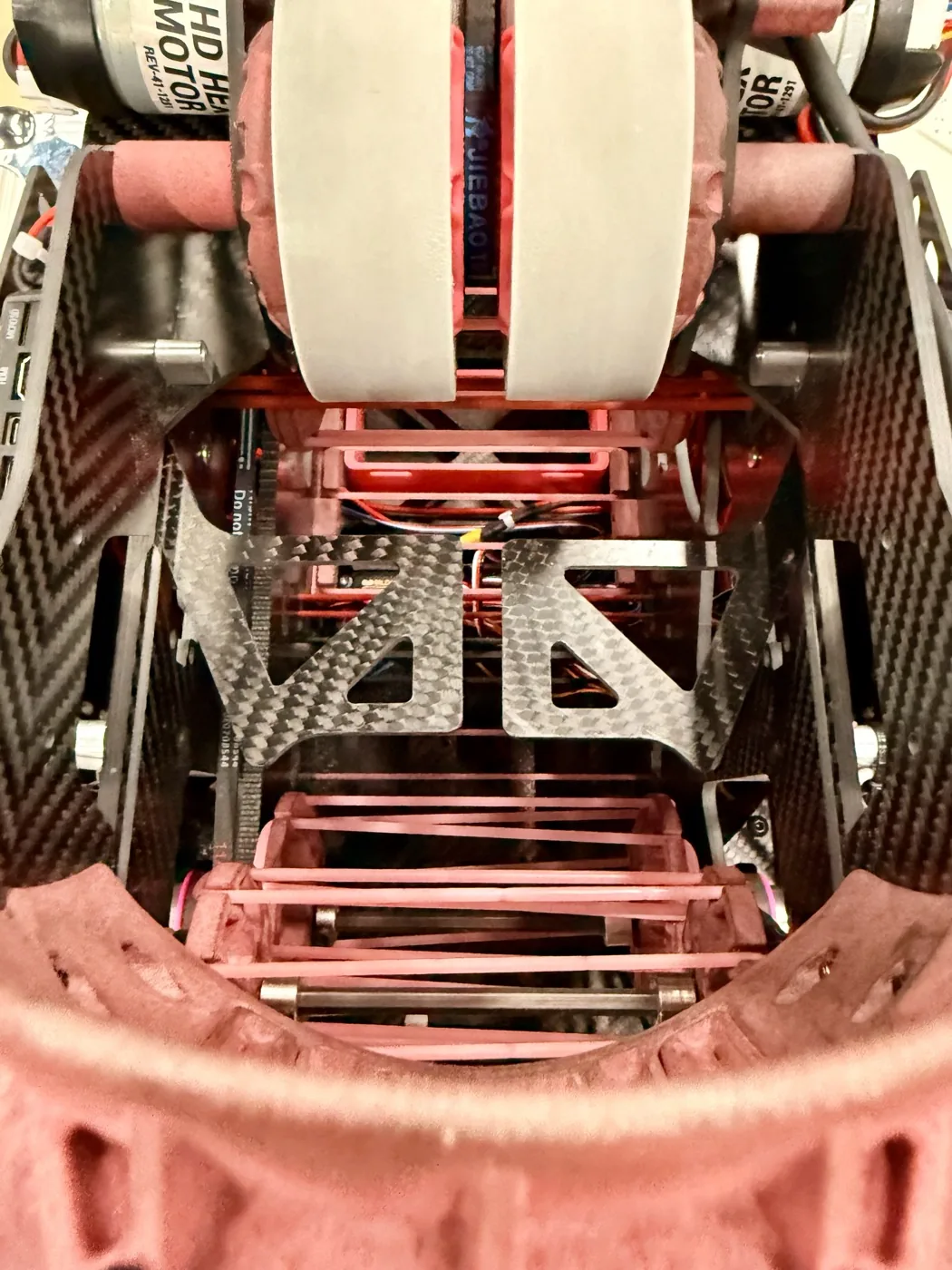
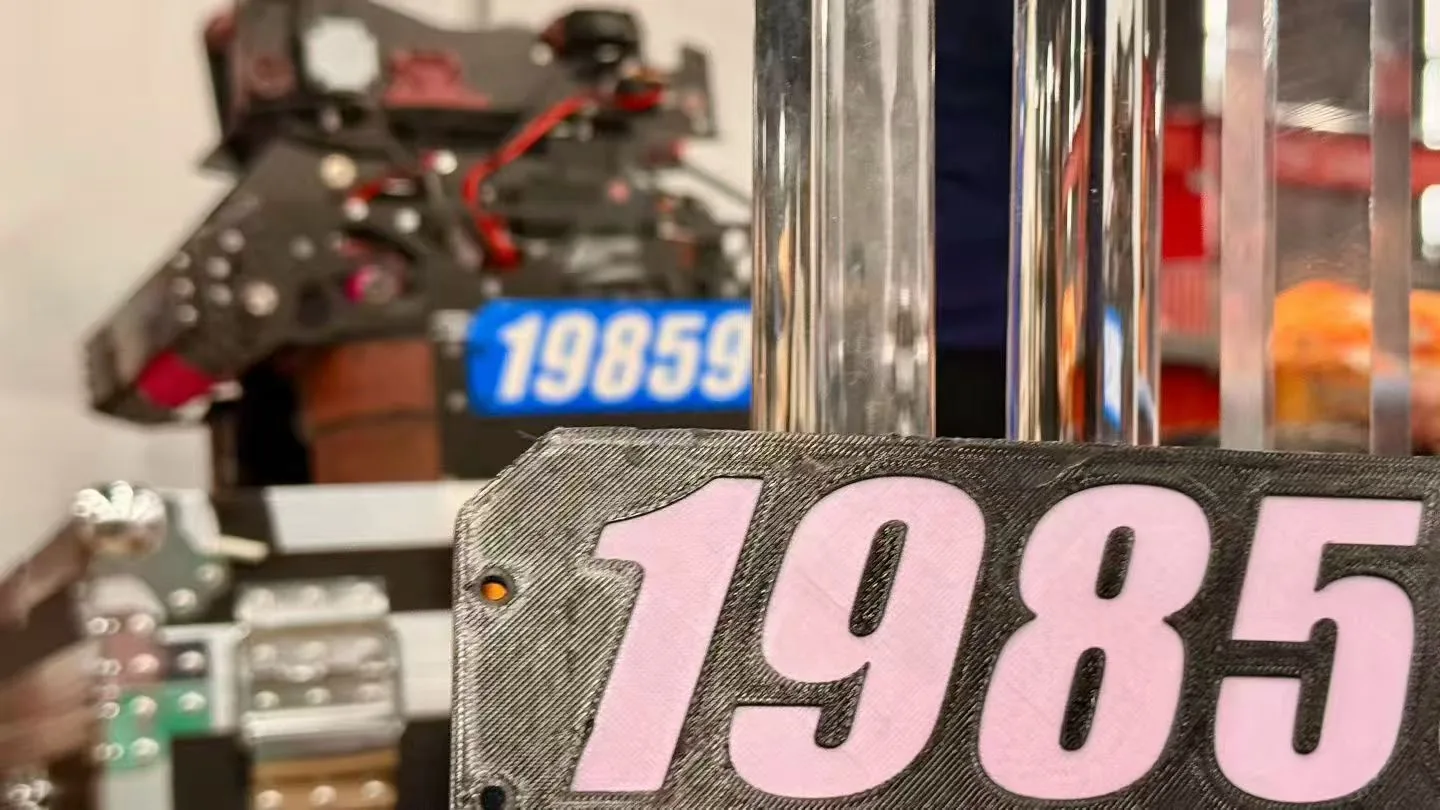
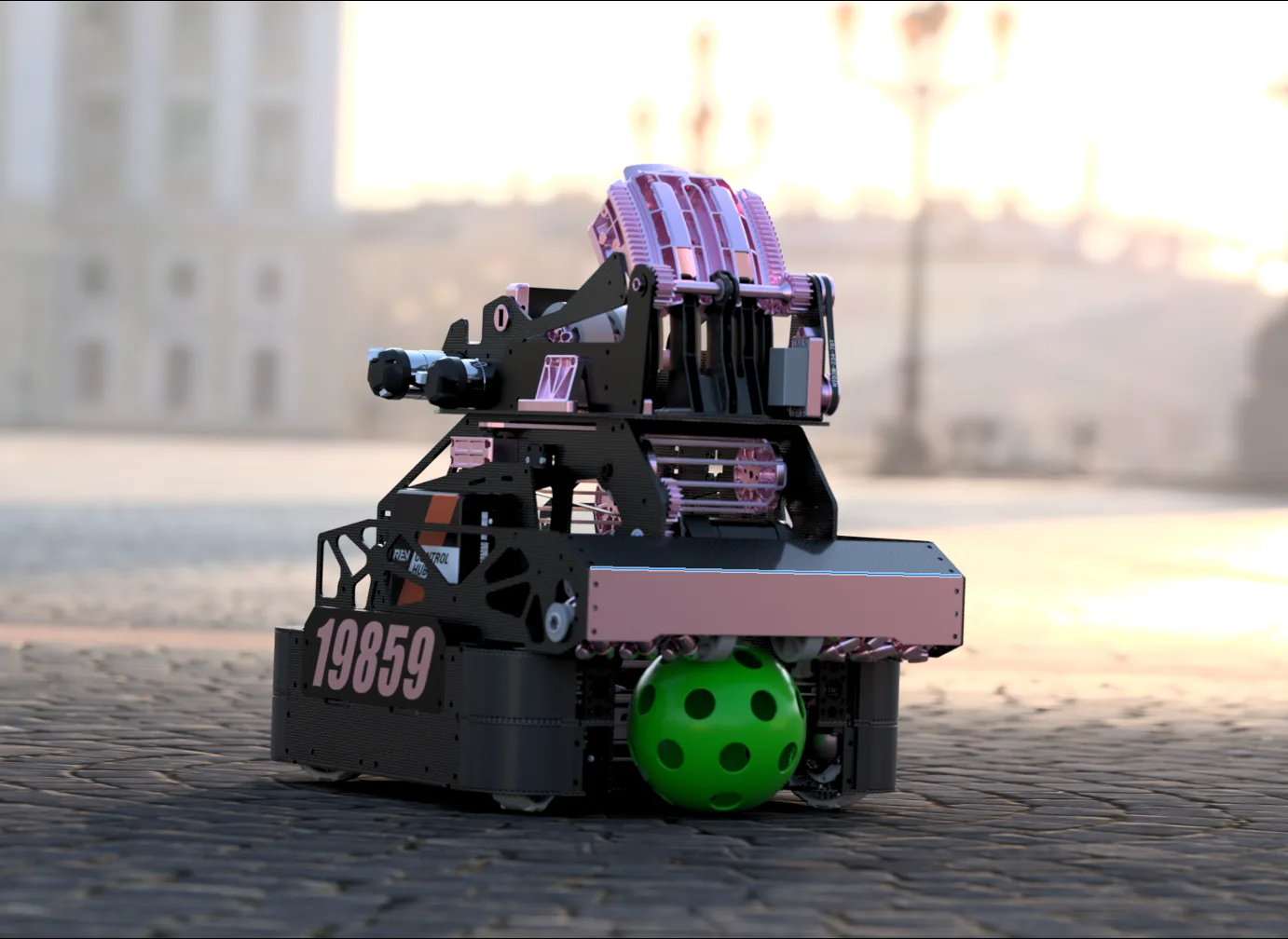
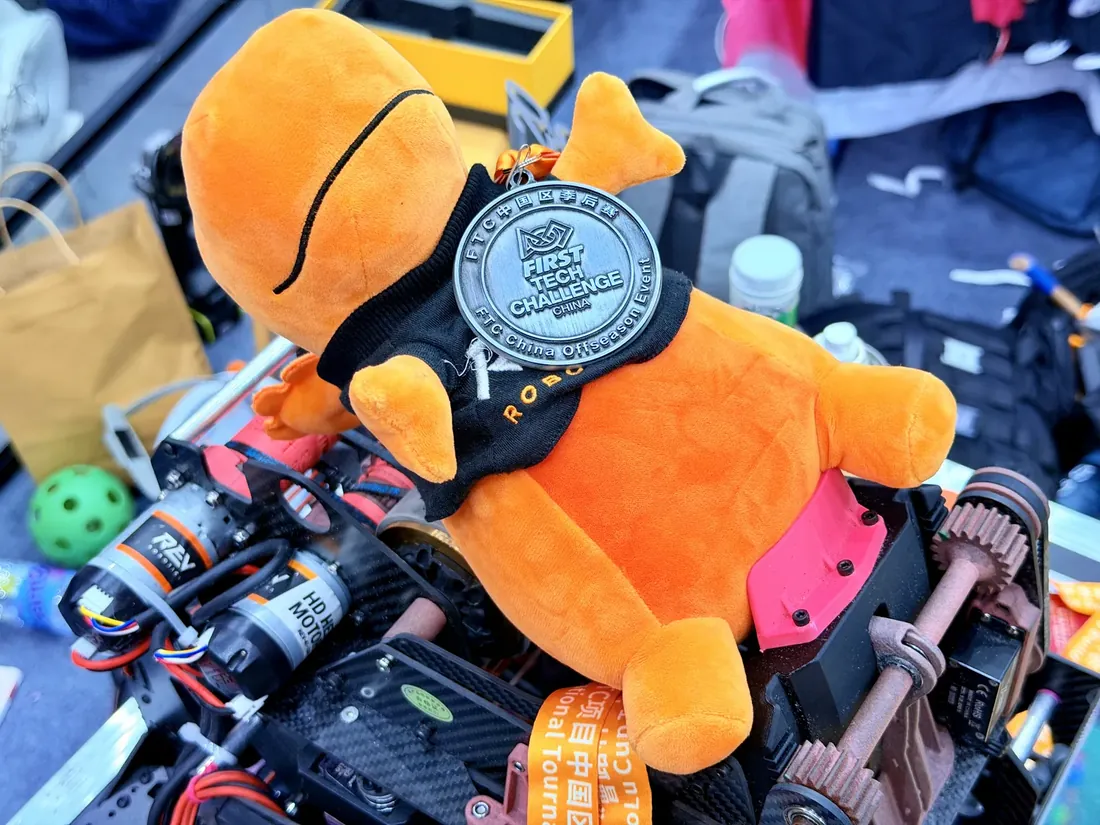
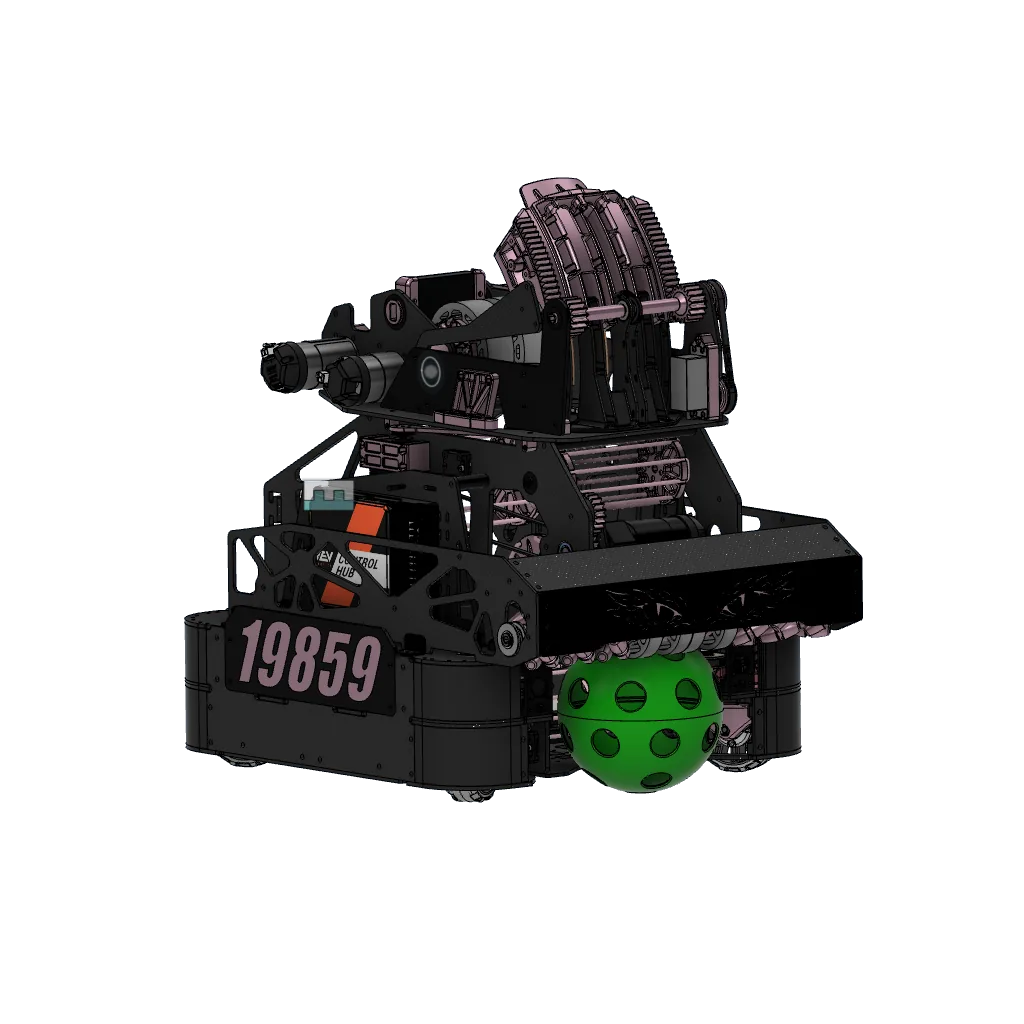
Control systems lead, FTC Team 19859, four FTC seasons. Every line of Java I write decides the robot's movement in a 30-second autonomous with no human on the controller. First Chinese team to reach Champion Alliance at California Invitational 2025. At the Istanbul Premier Event 2026 we captained the Finalist Alliance and took 2nd for the Innovate Award.
Full Story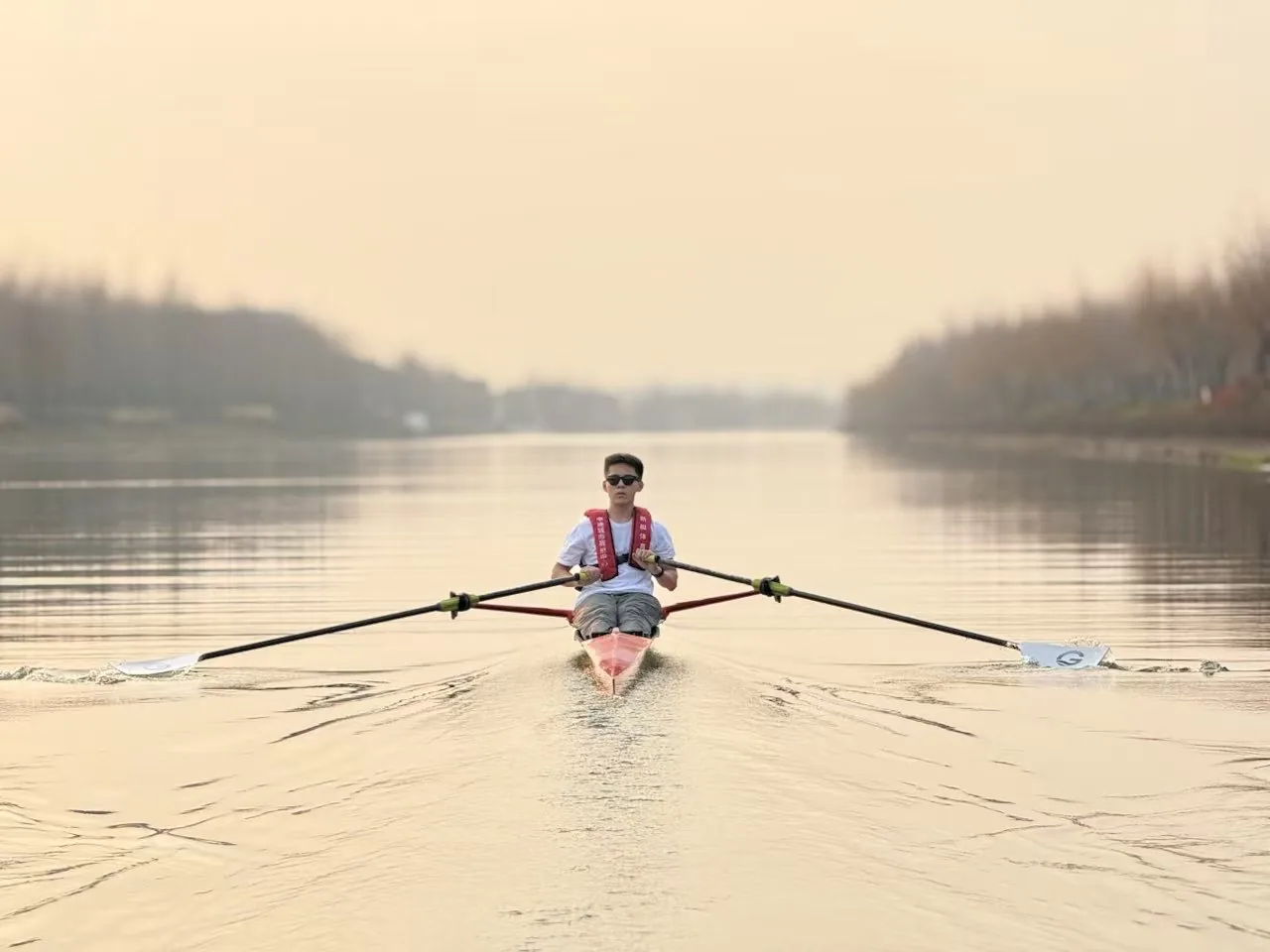
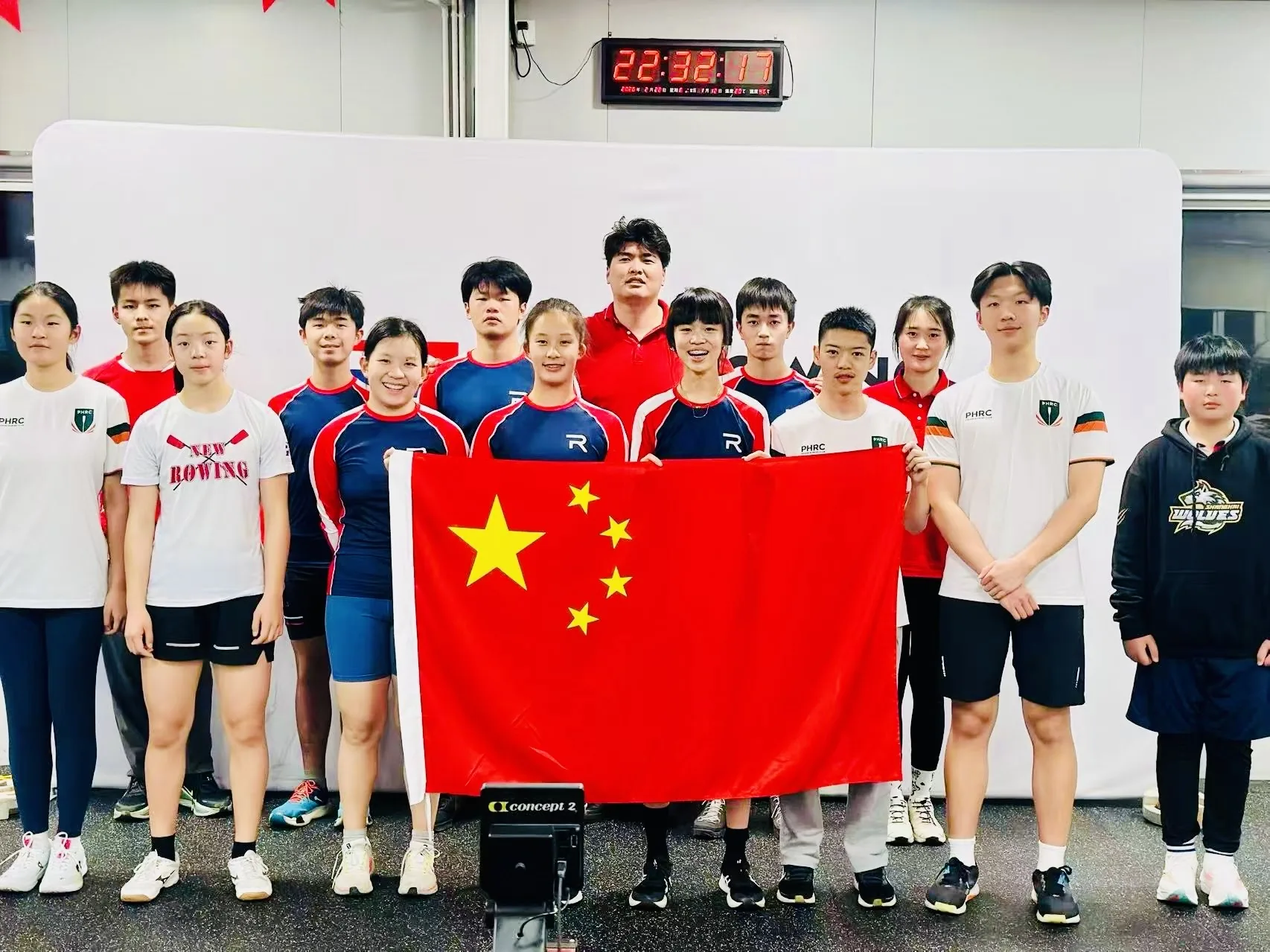
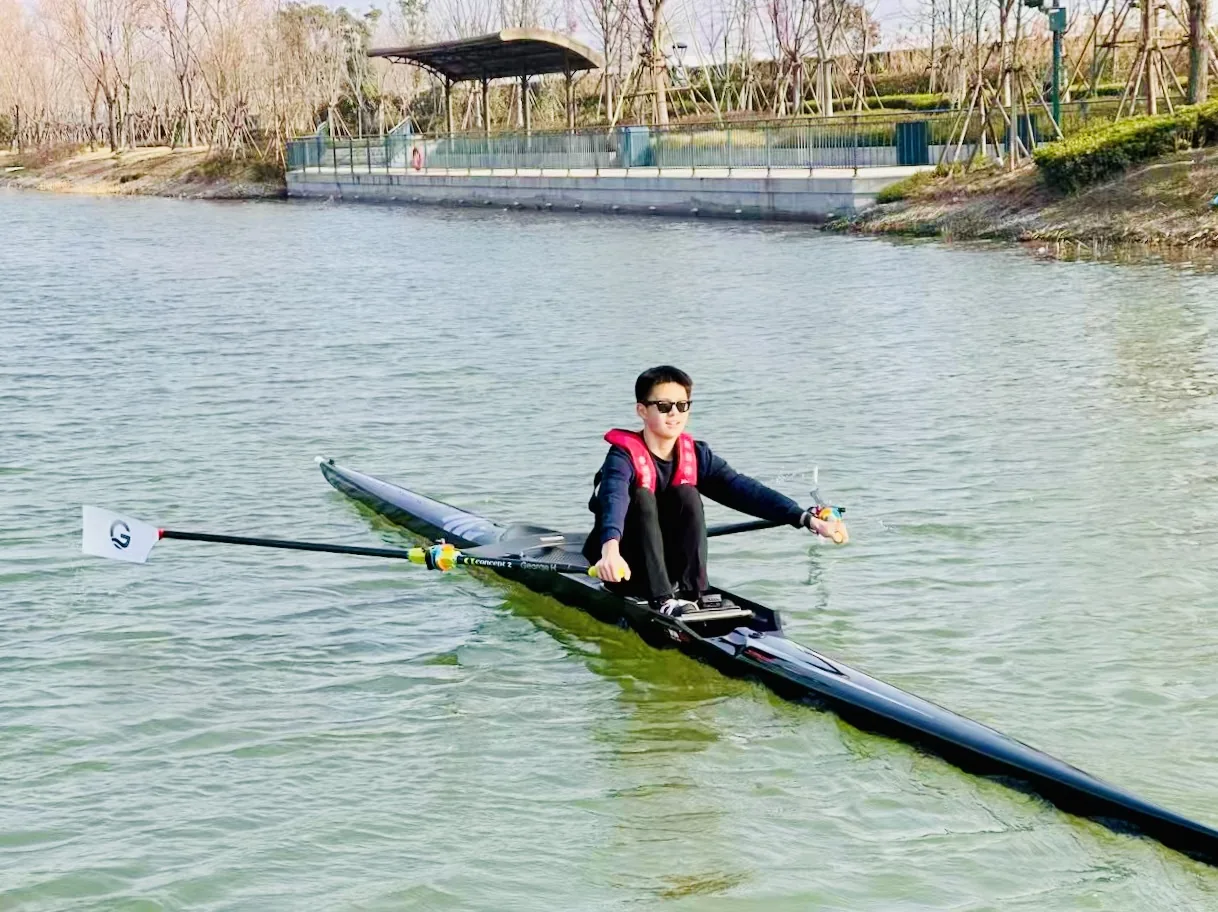
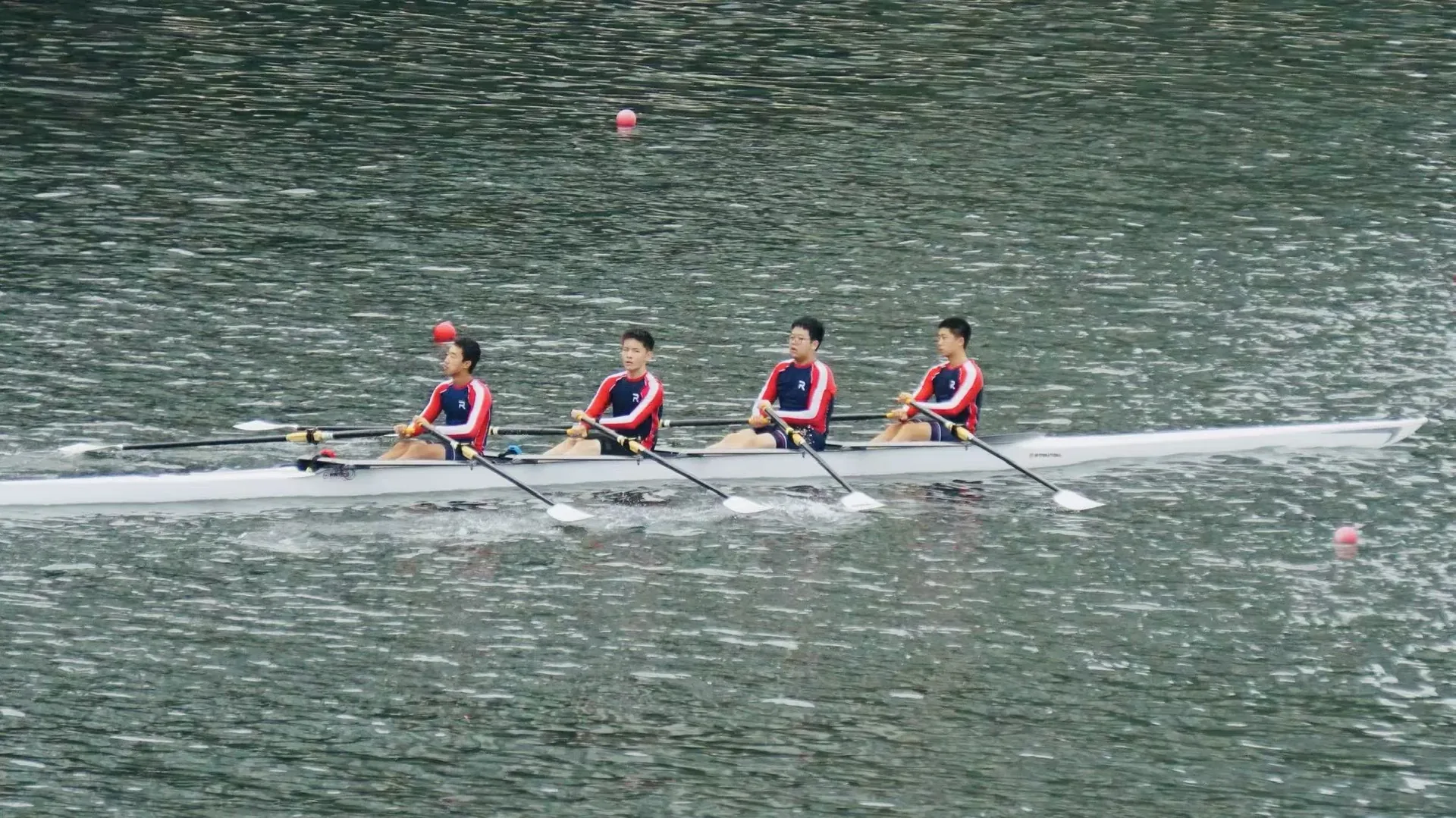
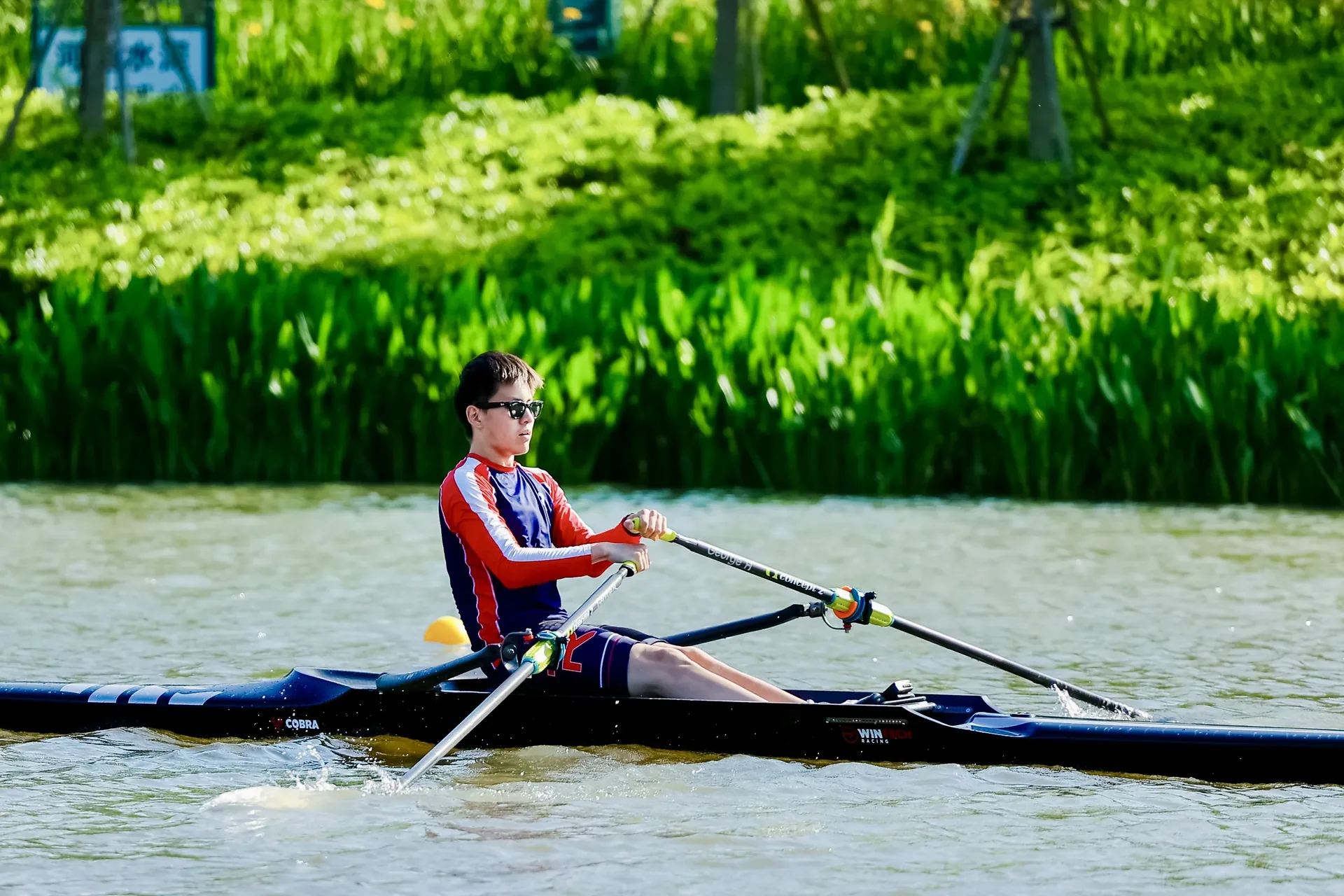
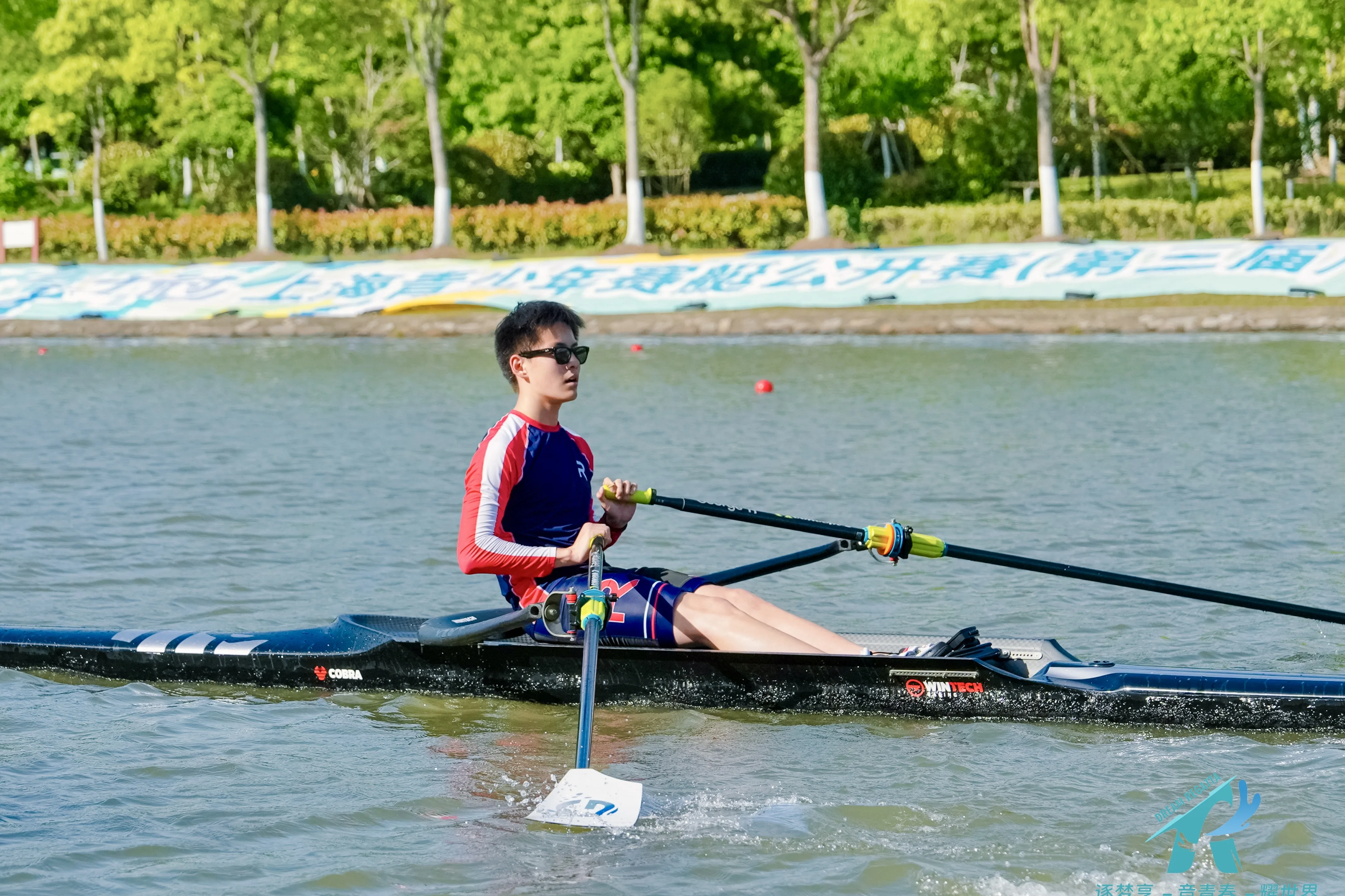
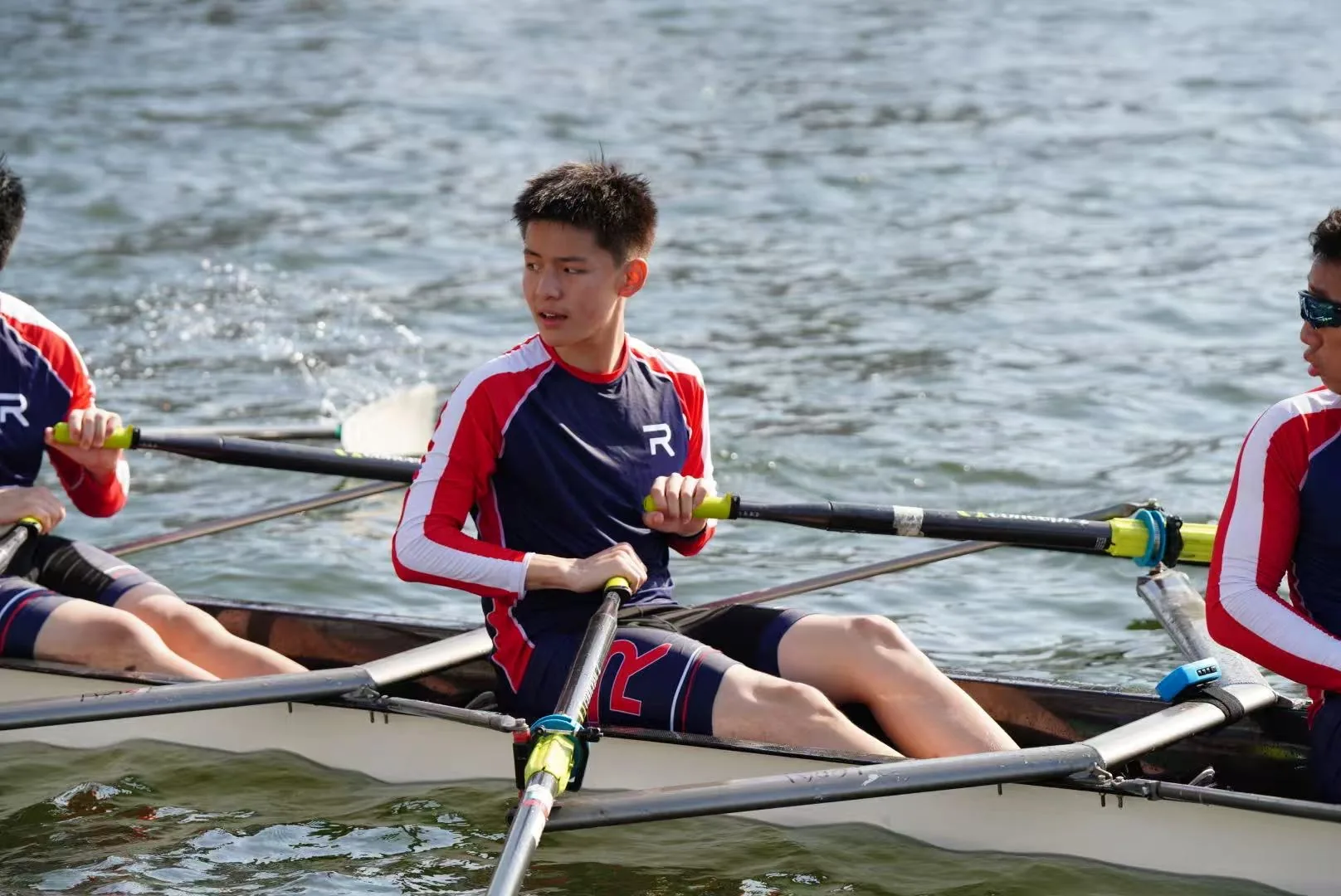
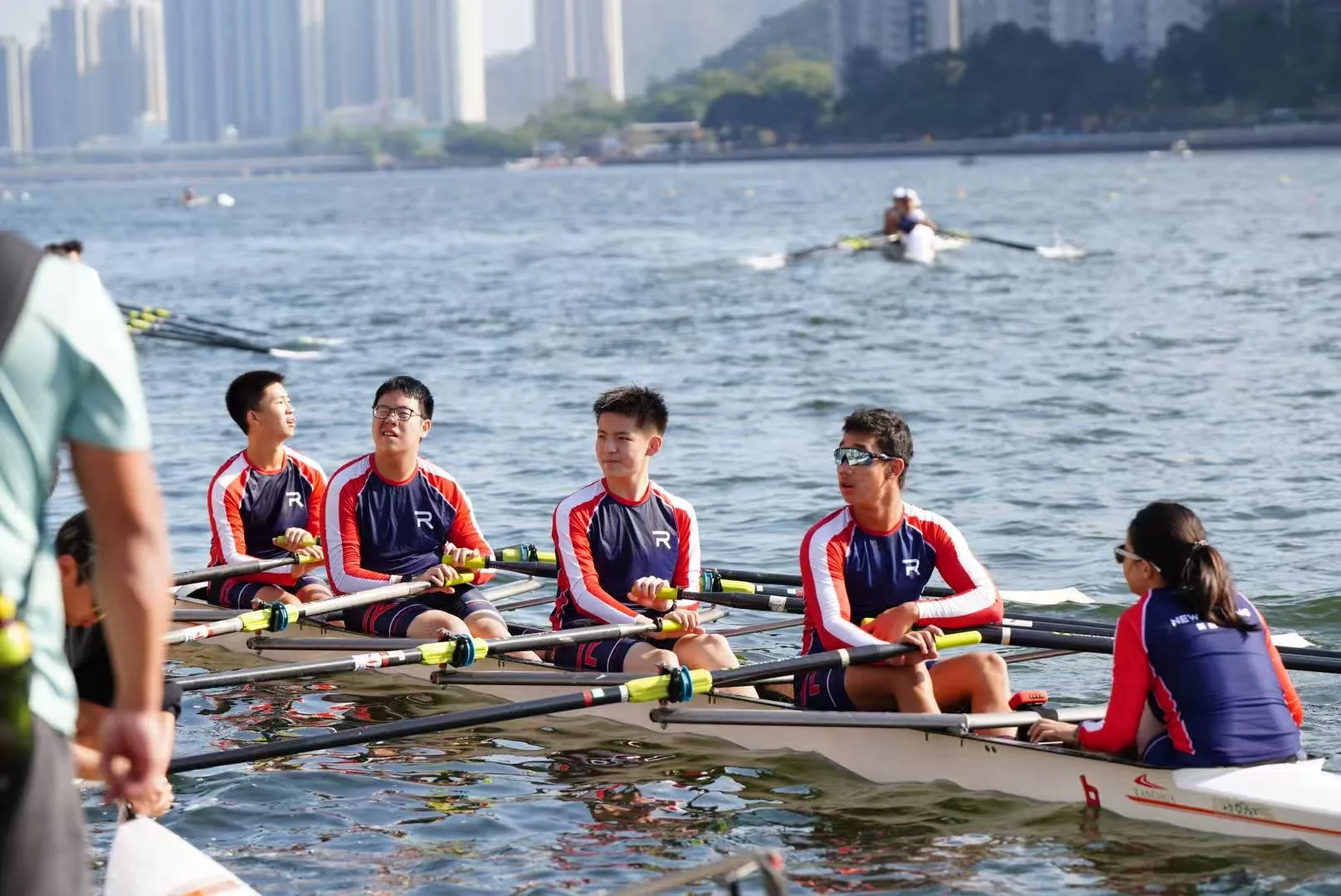
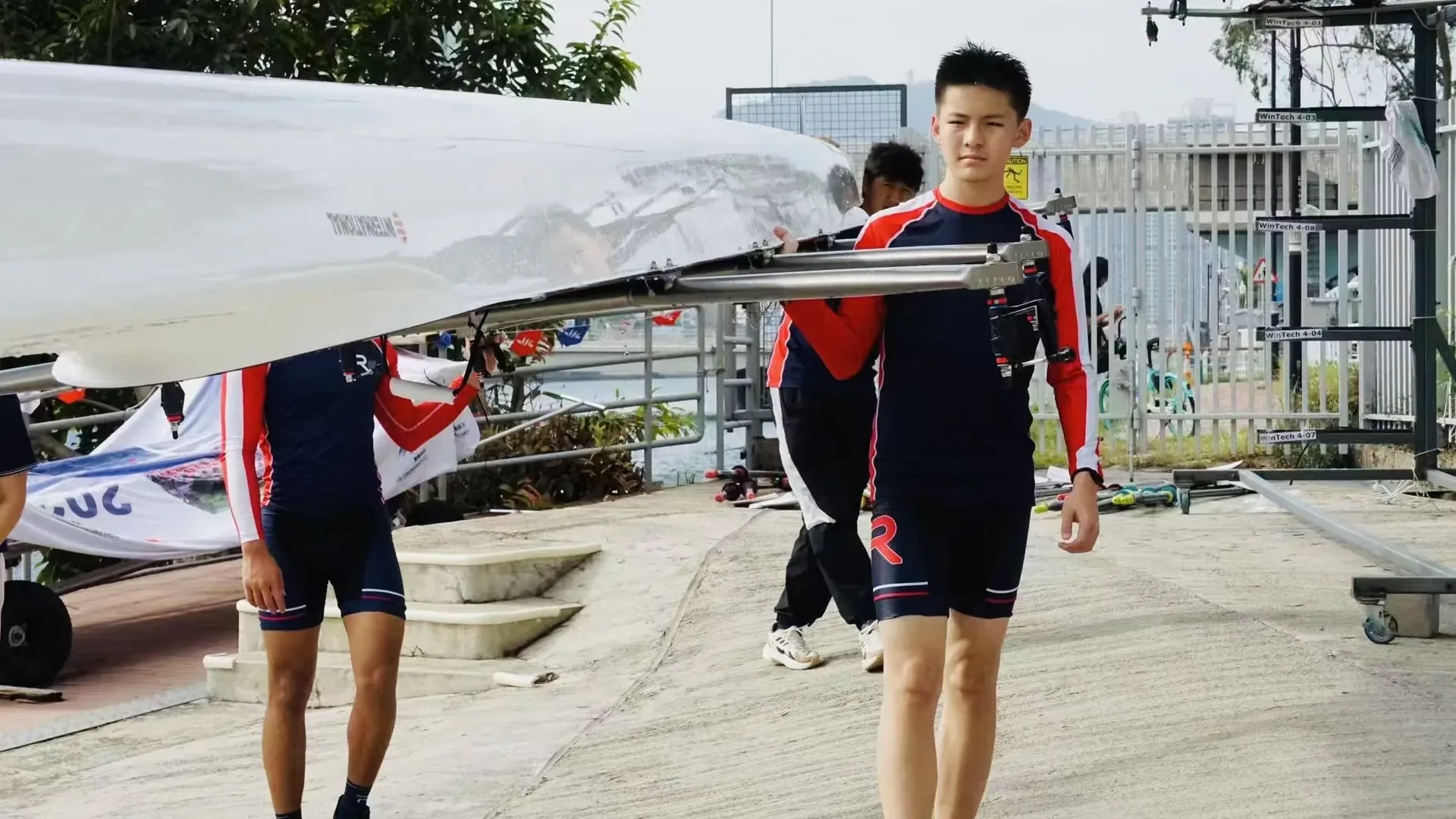
5:30 AM, fog on the water. Three years, every season including winter. Sweep and sculling both. I film every practice, track every split, help set race strategy. World #6 at WRICH 2026. Shanghai Rowing Open 2026: 4th, Mixed Quad. Shanghai Dream Regatta 2026: Gold & Bronze. Nanjing 2026: Gold & Silver.
Full Story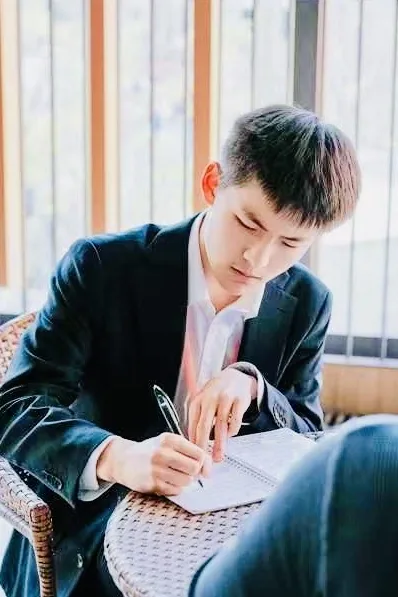
Fifteen minutes of prep. Then you stand, half a case ready, room waiting for you to fail. BP taught me to find the weak joint in an argument while building my own, under a timer, in front of judges who know the topic better. CISDAC Team Champion. Yale Global Rounds.
Full StoryFeatured
A full open-wheel racing game that runs in your browser: 2026-regulation cars, 26 circuits, 240 Hz physics, AI rivals, careers and multiplayer, with nothing to install.
AI rowing technique analysis. A phone video becomes pose keypoints, segmented strokes, and nine biomechanical checks per stroke with traffic-light coaching cues. Crew mode scores a whole eight seat by seat. Camera-angle correction, honest confidence intervals, club portal, bilingual throughout, plus a native WeChat Mini Program. The whole product, video processing included, runs on one modest server. Live at rowinglab.org.

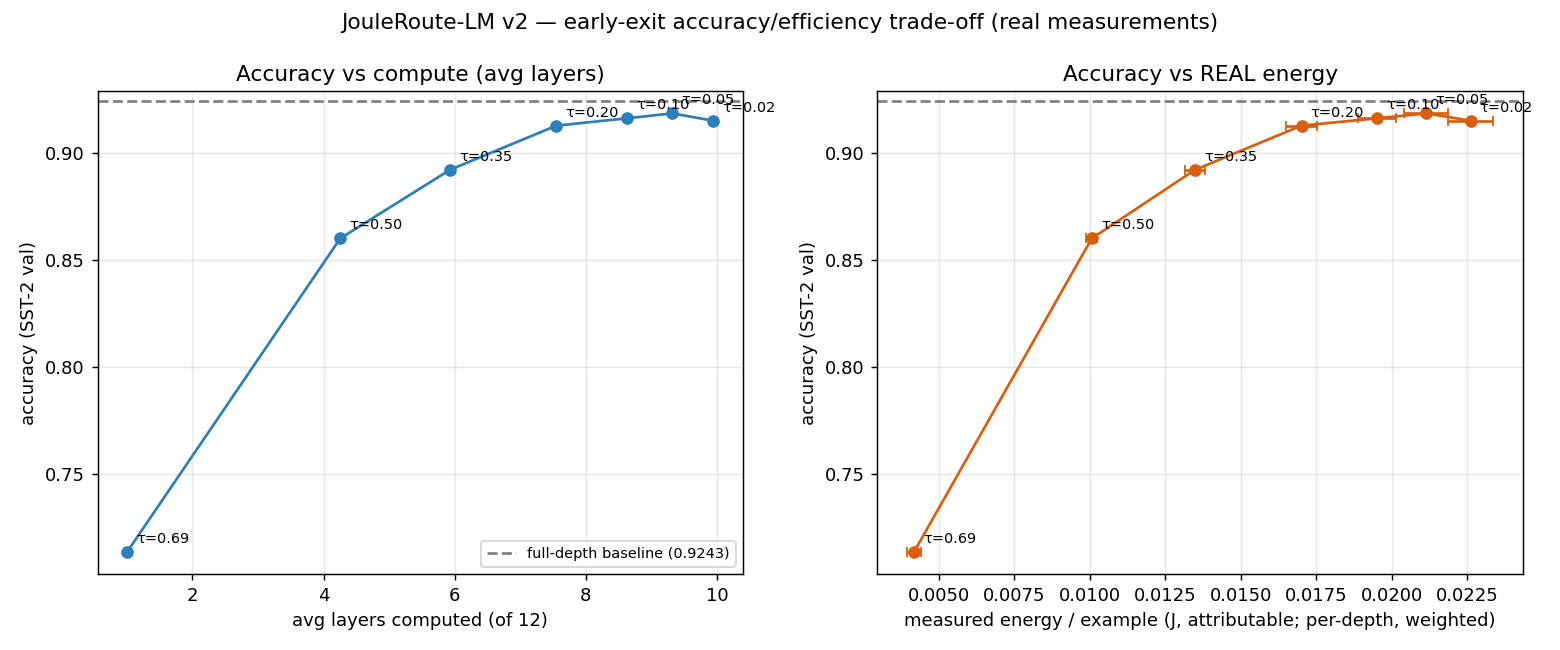
A prior simulation, rebuilt on real model weights. I attach DeeBERT-style early-exit heads to a frozen BERT-base encoder and route by softmax-entropy confidence, measuring real energy with powermetrics on Apple Silicon. Result: ~37% fewer layers and ~37% measured energy at 98.8% of baseline accuracy, with no statistically significant accuracy loss across 5 seeds. Independent research; code on GitHub.
A strategy tool that first taught itself in thousands of simulated matches (about 7,000 an hour on one Mac), then was rebuilt to try every combination of our robots' plans and rank the best one for each kind of alliance partner.



A track record built across robotics, sport, debate, research, and the classroom.
Built autonomous control systems in Java using PID tuning and sensor fusion. Won Control Award (California Invitational 2025), Think Award (Beijing Qualifier 2025-26), Innovate Award (Lobster Cup International 2025). China Nationals 2025: Finalist Alliance Runner-up. At the 2026 World Championship Premier Event in Istanbul: Finalist Alliance Captain and 2nd place for the Innovate Award.
Training 6-8 hours per week. Shanghai Rowing Open 2026: 4th, Mixed Quad Sculls. Shanghai Dream Regatta 2026: Gold, University Men's Eights & Bronze, Men's Doubles. Nanjing 2026: Gold, Mixed Eight Sweep & Silver, Quad Sculls. SSSA 2026: U16 Male Relay Champion. WRICH 2026: World #6 U19 Mixed Relay, World #29 U17 Men 1000m.
CISDAC Open Division Team Champion. World Scholar's Cup: Gold & Silver medals at Regional (Shanghai), National (Xiamen), and Yale Global Rounds. SIDO competitor 2024, 2025 & 2026. GDC 2026: 5/6 qualification rounds won. Shanghai IT 2026: U14 Best Speaker · Schools outrounds finalist. 10+ hrs/week of BP format training.
Began high school at Shanghai Pinghe Bilingual School in 2026.
Reached the Global Junior Division Finals of the World Youth Economic Forum and took Bronze, plus three category awards: Master in Business Insights, Best Entrepreneurship, and People's Choice.
Independent research: early-exit inference on real model weights (BERT-base / SST-2), following BranchyNet and DeeBERT. Frozen backbone, 12 trained exit heads, entropy-threshold routing, a simulated battery budget, and real powermetrics energy on an M5 MacBook Air. Key result: ~37% fewer layers / ~37% energy at 98.8% of baseline accuracy, with no significant accuracy change (5 seeds, paired permutation + bootstrap). Hosted at GitHub · N0v4ont0p.
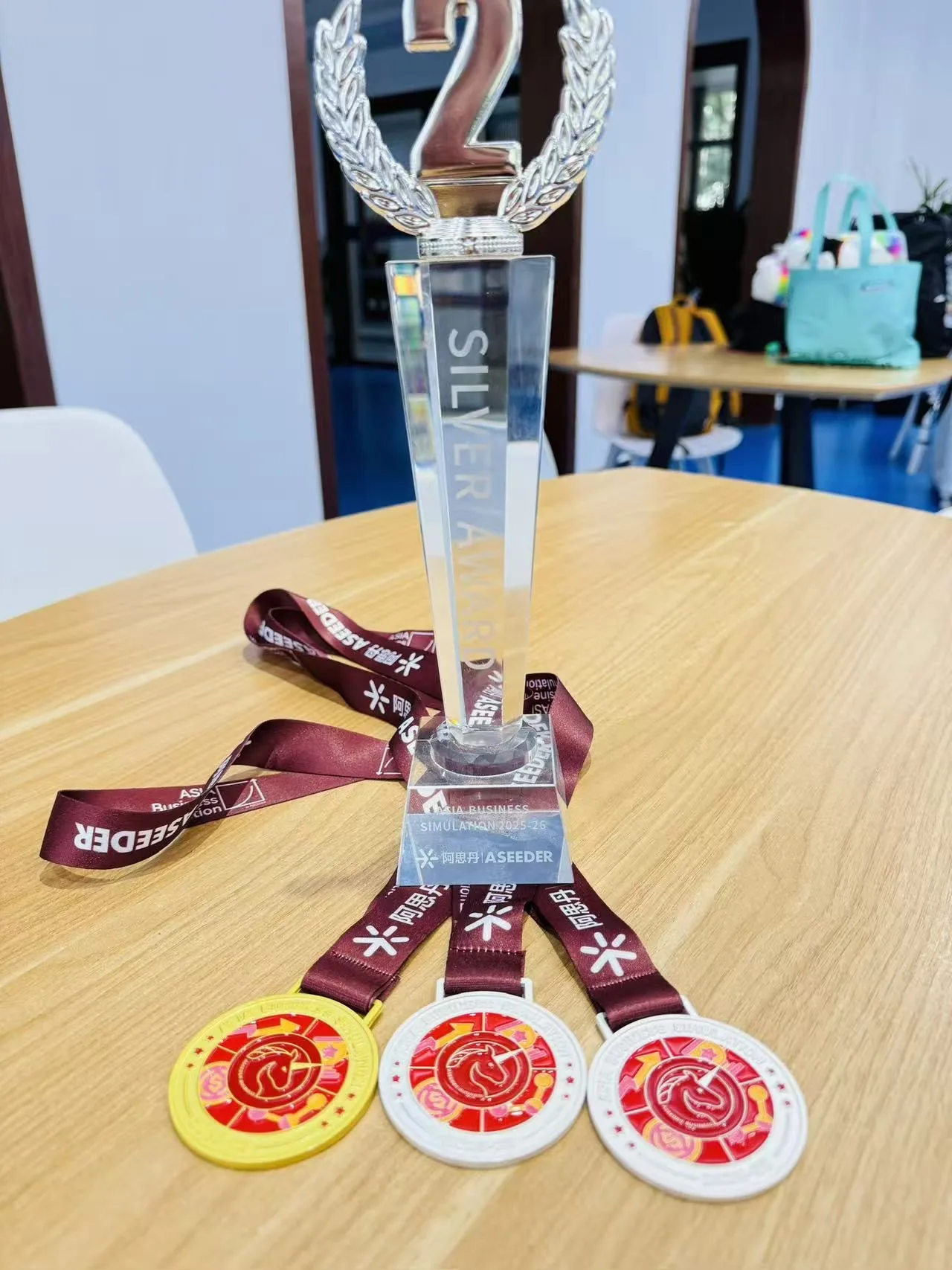
Team Silver (2nd place) & Best Individual Presenter. Qualified for World Youth Economic Forum, Harvard Business Challenge, and ASDAN Financial Intelligence All-Star Forum.
School Captain (Primary School). Class Academic Monitor. Red Star Award recipient. English Week Chair & Emcee. Pudong District Children's Congress Delegate. MAP Growth: Reading 95th %ile, Language Usage 98th %ile.
Started systematic science exploration at age 4. World Odyssey of the Mind: International Gold Medal (2019). ICW International Silver Medal (2020). Cross-disciplinary competition background that established a foundation for engineering and robotics.
The same tools and habits that go into robotics and rowing also apply to classrooms and communities.
In FTC, the highest standard isn't just winning; it's winning while helping others get better. I've shared autonomous code strategies with competing teams, run split-tracking systems for rowing teammates, and used debate's HOLA method to teach argument structure to students in lower years. Excellence means less if it stops with you.
Elected delegate to the Pudong District Children's Congress, Shanghai's youth civic forum. Represented SMIC students in cross-school policy discussions on education and community. The experience shaped how I think about systems beyond code: policies are a kind of infrastructure too, and the people they affect deserve to be heard.
Build nights, start lines, and the rooms in between.
Whether you're a team, a collaborator, or just want to say hello, I'd love to hear from you.
I'll read it and get back to you soon.